+8618335758886
 laura@xinhaimining.com



Gold Processing Methods: Flotation vs. Gravity Separation vs. Cyanidation
 Sheena
 Dec 12, 2025
 4373
4373
If you want to know more details about equipment, solutions, etc, please click the button below for free consultation, or leave your requirements!
 Message
 Chat Now
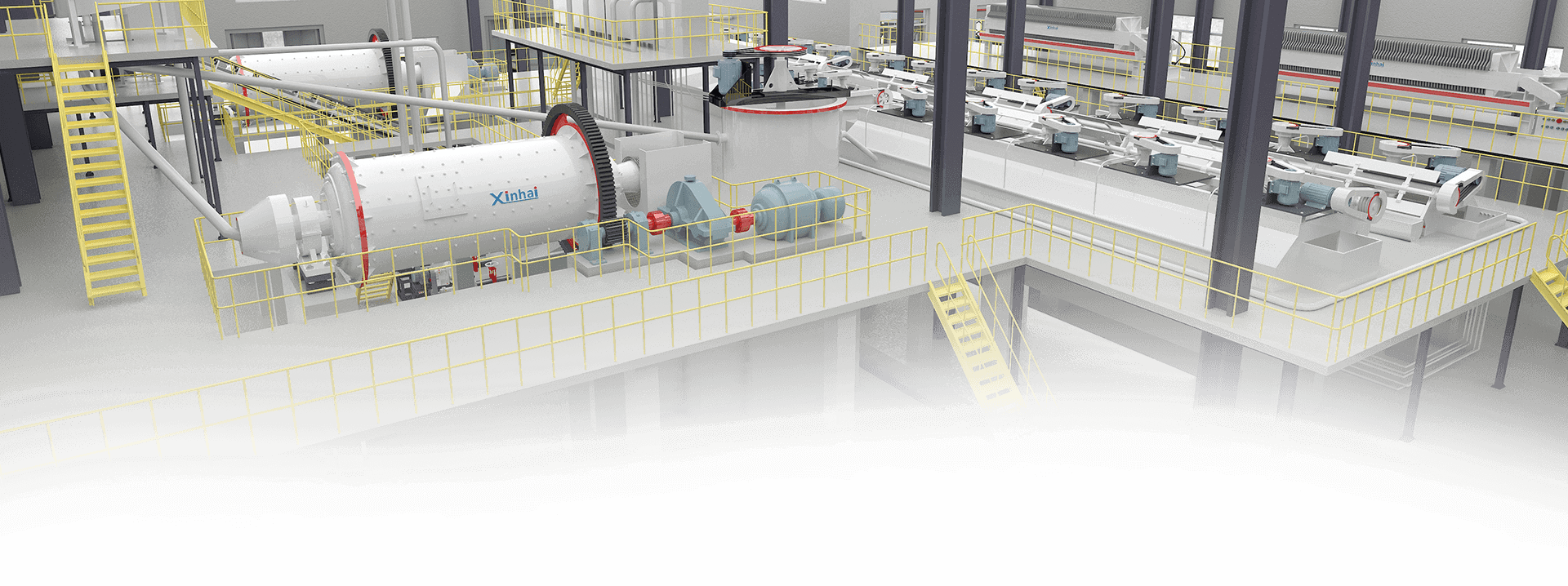
1000tpd-gold-process
Today, the most widely used gold extraction methods include gravity separation, flotation, and cyanidation, each serving distinct roles depending on mineralogy, particle-size distribution, and economic constraints. This article provides a complete guide to gold flotation and integrates a detailed comparison of flotation vs. gravity vs. cyanidation.
01Understanding the Gold Flotation Process
Back1.1 What Is Gold Flotation?
Gold flotation is a mineral beneficiation process that separates gold-bearing sulfides and fine gold particles using differences in surface hydrophobicity. Chemical reagents make gold and sulfide minerals hydrophobic, causing them to attach to air bubbles and float to the surface of flotation cells. The froth concentrate produced is then sent to downstream processing such as cyanidation or oxidation.
Flotation is the dominant method for sulfide-rich, fine-grained, and polymetallic gold ores.
1.2 The Gold Flotation Flowsheet
A typical flotation circuit involves:
1. Crushing and Grinding
Ore is crushed and ground to 75–90% passing 75 μm to liberate gold-bearing minerals.
2. Conditioning
Reagents are added, including:
Collectors (xanthates, dithiophosphates)
Frothers (MIBC, pine oil)
pH modifiers (lime)
Depressants and activators (CuSO₄)
3. Rougher Flotation
High recovery of gold-bearing sulfides.
4. Scavenger Flotation
Captures residual gold from rougher tailings.
5. Cleaner Flotation
Upgrades concentrate to a high-grade product.
6. Concentrate Dewatering
Thickeners and filters remove water before cyanidation or oxidation.
Flotation recoveries typically range from 85% to 95%, depending on ore type and mineral chemistry.
02Overview of Other Gold Extraction Methods
BackBefore comparing, it is essential to define the two other major methods: gravity separation and cyanidation.
2.1 Gravity Separation for Gold
Gravity separation relies on density differences between gold (specific gravity ≈19.3) and gangue minerals.
Common equipment includes:
Shaking tables
Jig concentrators
Spiral chutes
Centrifugal concentrators (Falcon, Knelson)
Best suited for:
Coarse free gold (>0.1–0.2 mm)
Placer and alluvial gold deposits
Free-milling ores with minimal sulfides
Gravity recovery is usually 40–80%, depending on gold size distribution.
2.2 Cyanidation for Gold
Cyanidation dissolves gold using sodium cyanide under controlled alkaline conditions. Gold in solution is then adsorbed onto activated carbon (CIP/CIL) or precipitated.
Best suited for:
Free-milling, well-liberated gold
Oxide gold ores
Flotation concentrates
Whole-ore leaching in high-grade deposits
Recoveries typically reach 85–98%, making it the highest-yielding method overall..
03Gold Flotation vs Gravity Separation vs Cyanidation: A Complete Comparison
Back3.1 Recovery Efficiency
| Process | Typical Gold Recovery | Strengths |
|---|---|---|
| Gravity | 40–80% | Excellent for coarse free gold |
| Flotation | 85–95% | Best for fine and sulfide-associated gold |
| Cyanidation | 85–98% | Highest total recovery for liberated gold |
Key takeaway:
Gravity works only for coarse gold.
Flotation excels with fine and sulfide-rich ores.
Cyanidation is the most complete extraction method when gold is exposed.
3.2 Particle Size Performance
| Process | Effective Size Range |
|---|---|
| Gravity | >100 μm; down to 30–50 μm with centrifuges |
| Flotation | 10–200 μm (optimal ~75 μm) |
| Cyanidation | Requires liberation at ~75–106 μm |
Flotation provides the widest range of effective particle-size recovery, especially for fine gold.
3.3 Ore Type Suitability
| Ore Type | Gravity | Flotation | Cyanidation |
|---|---|---|---|
| Placer/Alluvial Gold | Excellent | Not used | Limited |
| Free-Milling Oxide Ore | Good | Moderate | Excellent |
| Sulfide-Rich Ore | Poor | Excellent | Ineffective without pre-treatment |
| Polymetallic Ore | Limited | Excellent | Often used post-flotation |
| Refractory Ore | Poor | Essential (concentrate) | Requires oxidation |
3.4 Capital and Operating Cost Comparison
Gravity Separation
Low CAPEX
Very low OPEX
Minor maintenance
No chemicals required
Flotation
Moderate CAPEX (grinding + flotation cells)
OPEX includes reagents and energy
Skill-dependent operation
Cyanidation
High CAPEX (CIL tanks, detox, carbon regeneration)
High OPEX due to cyanide, lime, detox chemicals
Strict environmental controls required
Flotation sits between the two extremes—more complex than gravity, less expensive than full cyanide circuits.
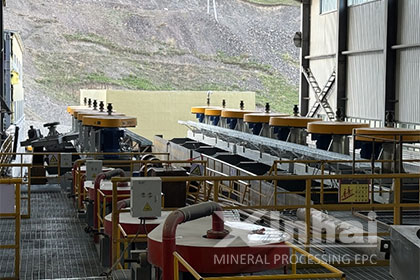
04Integration of Methods in Modern Gold Plants
BackMost high-performance operations no longer rely on a single method. Instead, they integrate multiple processes to maximize recovery and reduce costs.
4.1 Gravity + Cyanidation
This classic free-milling flowsheet is common in many gold mines.
Advantages:
Gravity removes coarse gold early
Cyanidation recovers fine liberated gold
Lower cyanide consumption
Lower carbon fouling
Used widely in:
Oxide gold deposits
Greenstone belt gold mines
Medium-grade vein deposits
4.2 Flotation + Cyanidation (Most Common for Modern Sulfide Ores)
This flowsheet concentrates sulfides before leaching.
Benefits:
Reduces ore mass entering expensive leaching circuits
Achieves high recoveries from fine, sulfide-hosted gold
Suitable for gold–copper and gold–zinc systems
Cyanidation is performed on flotation concentrate, not whole ore, reducing reagent consumption significantly.
4.3 Gravity + Flotation + Cyanidation (All-in-One Flow)
This advanced flowsheet is ideal for complex ore bodies.
Process logic:
Gravity first removes coarse gold.
Flotation upgrades sulfides containing fine gold.
Cyanidation leaches the concentrate for maximum recovery.
This integrated approach can achieve 90–98% total gold recovery, even in challenging mineralogies.
05Advantages and Disadvantages Summary
BackGravity Separation
Advantages:
Lowest cost
Eco-friendly
Simple operation
Disadvantages:
Only effective for coarse gold
Poor for sulfides or ultrafine particles
Flotation
Advantages:
Excellent for fine and refractory gold
Produces high-grade concentrates
Essential for polymetallic systems
Disadvantages:
Complex reagent management
Sensitive to pulp chemistry
Requires sulfide tailings management
Cyanidation
Advantages:
Highest total recovery
Mature, proven technology
Effective for a wide range of ore types
Disadvantages:
High cost
Environmental restrictions
Requires gold to be exposed (liberated)
06Conclusion
BackThe global shift toward deeper, lower-grade, and more complex gold deposits has made gold flotation and integrated processing flowsheets more important than ever. While gravity separation provides a low-cost solution for coarse free gold, and cyanidation delivers the highest total recovery for liberated gold, flotation remains the most versatile and effective method for fine, sulfide-rich, and polymetallic gold ores. Modern plants frequently combine gravity, flotation, and cyanidation to optimize recovery, reduce reagent costs, and manage environmental impacts.


RELATED PRODUCTS
-
BF Flotation Cell
-
JJF Flotation Cell
-
SF Flotation Cell