+8618234403483
 yanzhang19990421@gmail.com



 Sheena
 Mar 17, 2026
 801
801 Message
 Chat Now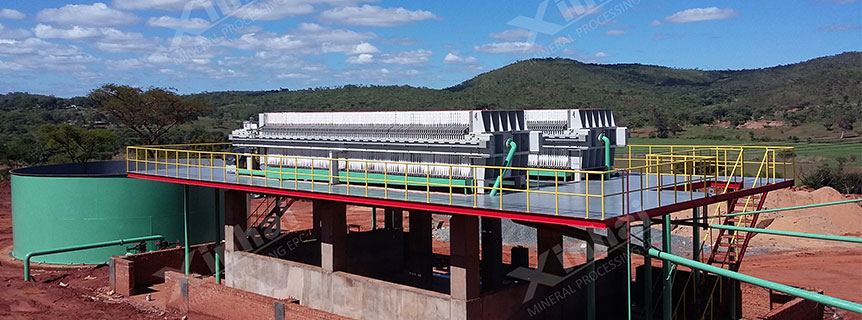
700tpd-manganese-processing-plant
Manganese is an essential industrial metal widely used in steel production, battery materials, and chemical industries. However, manganese does not occur in its pure metallic form in nature—it must be extracted from manganese-bearing ores through a combination of mining, beneficiation, and metallurgical processes.
This guide provides a step-by-step explanation of manganese extraction, focusing on commercial plant solutions, equipment selection, and process optimization.
01Overview of Manganese Ore Types
BackBefore designing an extraction process, it is essential to understand the type of manganese ore, as it directly determines the processing route.
Main Manganese Minerals
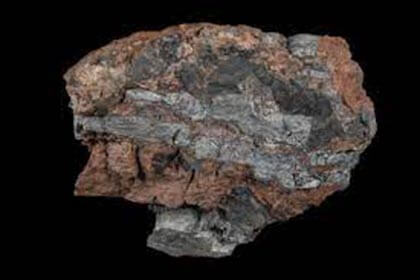
Pyrolusite (MnO₂) – high-grade oxide ore
Psilomelane – complex oxide ore
Rhodochrosite (MnCO₃) – carbonate ore
Manganite (MnO(OH))
Ore Classification by Grade
High-grade ore (>44% Mn) – can be directly smelted in some cases
Medium-grade ore (30–44% Mn) – requires beneficiation
Low-grade ore (<30% Mn) – must be upgraded through processing
Low- and medium-grade ores are the most common, making manganese beneficiation and extraction technologies essential.
02Step 1: Manganese Ore Mining
BackThe extraction process begins with mining the ore from the earth, using methods based on deposit characteristics.
2.1 Open-Pit Mining (Most Common)
Suitable for shallow deposits
High production efficiency
Lower operational cost
Process:
Overburden removal
Drilling and blasting
Excavation and loading
Hauling to processing plant
2.2 Underground Mining
Used for deep or narrow ore bodies
Methods: room and pillar, sublevel stoping
Higher cost but necessary for certain deposits
2.3 Alluvial Mining
Targets weathered or transported manganese
Simple excavation and washing
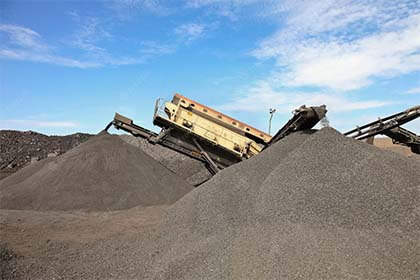
03Step 2: Crushing and Screening
BackAfter mining, raw manganese ore must be reduced in size to prepare for beneficiation.
Crushing Stages
Primary crushing: Jaw crusher
Secondary crushing: Cone crusher
Fine crushing (if required): Impact crusher
Screening
Vibrating screens classify ore by size
Oversized material returns for further crushing
Objective
Liberate manganese minerals
Ensure optimal particle size for downstream processing
04Step 3: Washing and Desliming
BackManganese ore often contains clay, mud, and fine impurities, which can reduce separation efficiency.
Process
High-pressure water washing
Removal of fine slimes
Equipment
Trommel screens
Log washers
Benefits
Improves beneficiation performance
Reduces equipment wear
Enhances final concentrate grade
05Step 4: Gravity Separation (Core Beneficiation Method)
BackGravity separation is the primary method for manganese extraction, especially for oxide ores, due to the high density difference between manganese minerals and gangue.
Key Equipment
Jig Machines
Ideal for coarse particles
High recovery efficiency
Spiral Concentrators
Continuous operation
Low energy consumption
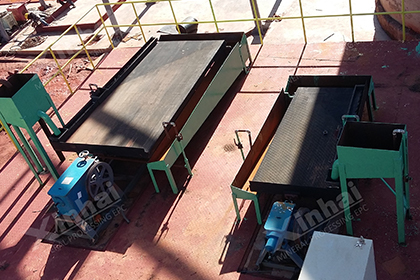
Shaking Tables
Effective for fine particles
High separation precision
Advantages
Low operating cost
Environmentally friendly (no chemicals)
Suitable for large-scale operations
06Step 5: Magnetic Separation
BackMagnetic separation is used to remove iron impurities and improve concentrate quality.
Applications
Separation of magnetic gangue
Upgrading manganese grade
Equipment
High-intensity magnetic separators
Role in Process
Typically used as a secondary step after gravity separation.
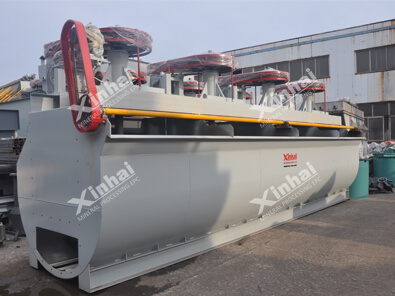
07Step 6: Flotation (For Complex or Fine Ores)
BackFlotation is applied when manganese minerals are finely disseminated or associated with other minerals.
Process
Add flotation reagents
Air bubbles attach to manganese particles
Manganese concentrate floats and is collected
When to Use
Low-grade ores
Complex mineralogy
Fine particle sizes
08Step 7: Dewatering and Concentrate Handling
BackAfter beneficiation, manganese concentrate must be dewatered before transport or smelting.
Equipment
Thickeners
Filter presses
Vacuum filters
Output
Reduced moisture content
Improved handling and transportation
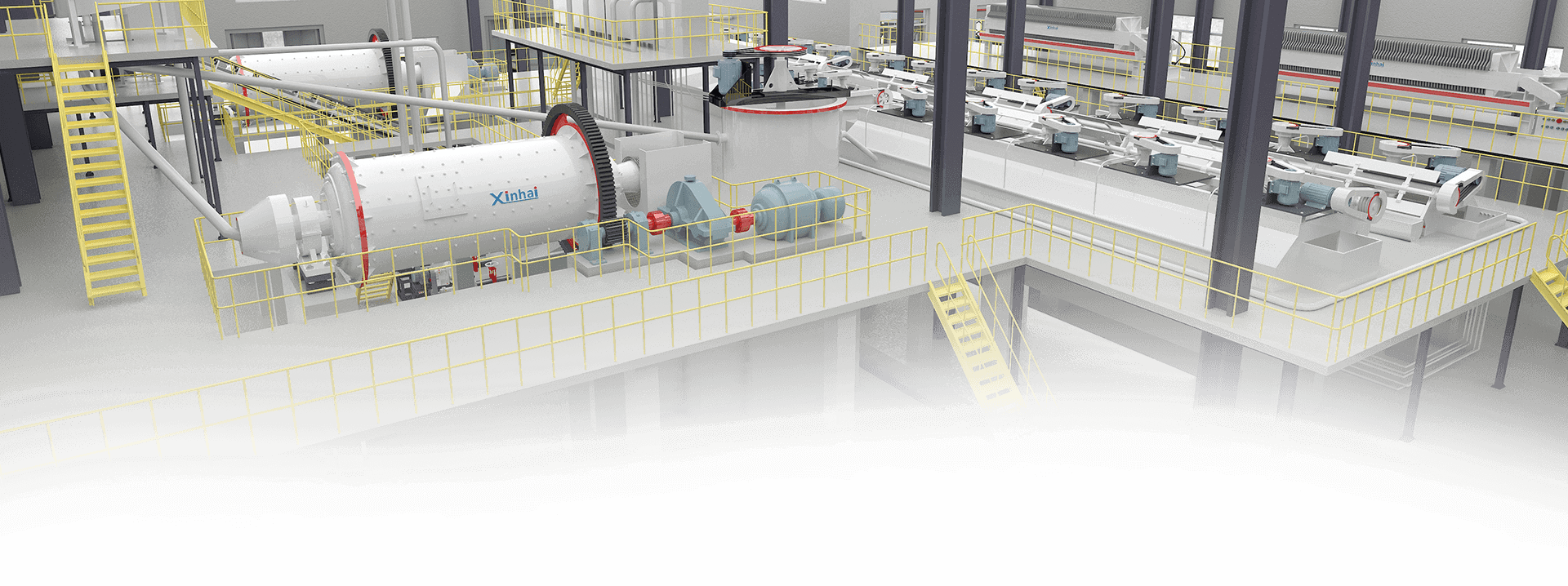
09Key Equipment for a Manganese Extraction Plant
BackA complete manganese processing plant requires integrated equipment across all stages.
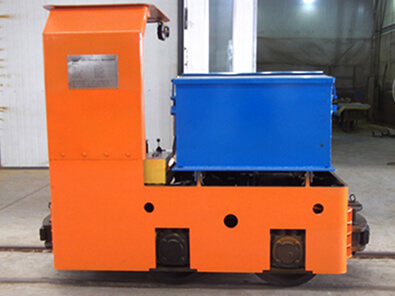
Mining Equipment
Excavators
Drill rigs
Dump trucks
Crushing & Grinding
Jaw crushers
Cone crushers
Ball mills
Beneficiation Equipment
Jig machines
Spiral concentrators
Magnetic separators
Flotation cells
Dewatering Equipment
Thickeners
Filter presses
Selecting the right combination ensures high recovery, low cost, and stable operation.
10Manganese Extraction Plant Cost Considerations
BackThe cost of a manganese extraction plant depends on:
Ore type and grade
Plant capacity (TPH)
Process complexity
Equipment selection
Location and infrastructure
Typical Cost Components
Crushing and screening system
Beneficiation equipment
Tailings management
Civil construction
Power and water systems
A well-designed plant can reduce operating costs and increase recovery rates, ensuring long-term profitability.
11Conclusion
BackManganese extraction from ore is a multi-stage process involving:
Mining (open-pit, underground, or alluvial)
Crushing and screening
Washing and desliming
Gravity separation (core method)
Magnetic separation and flotation
Dewatering and optional metallurgical processing
The optimal extraction method depends on ore characteristics, project scale, and market requirements. By selecting the right process flow and equipment, mining companies can achieve high recovery rates, low operating costs, and strong economic returns.