+8618234403483
 yanzhang19990421@gmail.com



How Much Does a Lead Zinc Beneficiation Plant Cost?
 Sheena
 May 25, 2026
 528
528
If you want to know more details about equipment, solutions, etc, please click the button below for free consultation, or leave your requirements!
 Message
 Chat Now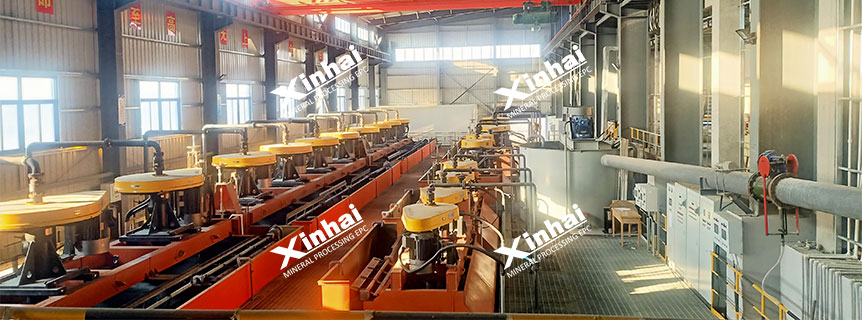
Lead-zinc-beneficiation-plant
The cost of building a lead zinc beneficiation plant is one of the most important concerns for mining investors and project developers. In general, a small lead zinc processing plant may cost several hundred thousand dollars, while a large industrial concentrator can require tens of millions of dollars in capital investment. Besides equipment costs, investors also need to consider civil construction, power supply, tailings treatment, environmental compliance, and operating expenses.
This article explains the major factors affecting lead zinc beneficiation plant cost, typical investment ranges, operating expenses, and methods to reduce project risk and improve return on investment.
01What Is a Lead Zinc Beneficiation Plant?
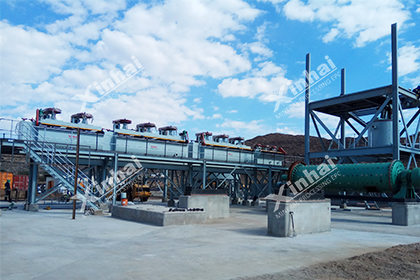
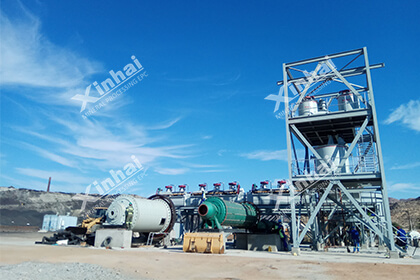
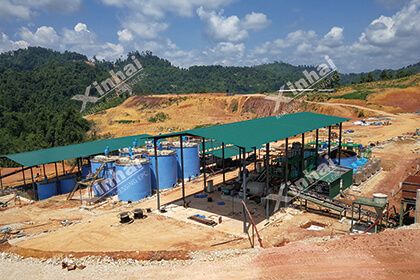
BackA lead zinc beneficiation plant is designed to separate valuable lead and zinc minerals from gangue minerals and waste rock. Most lead zinc ores are sulfide ores, commonly processed by flotation technology. Some oxide ores may require combined gravity separation, flotation, or magnetic separation processes.
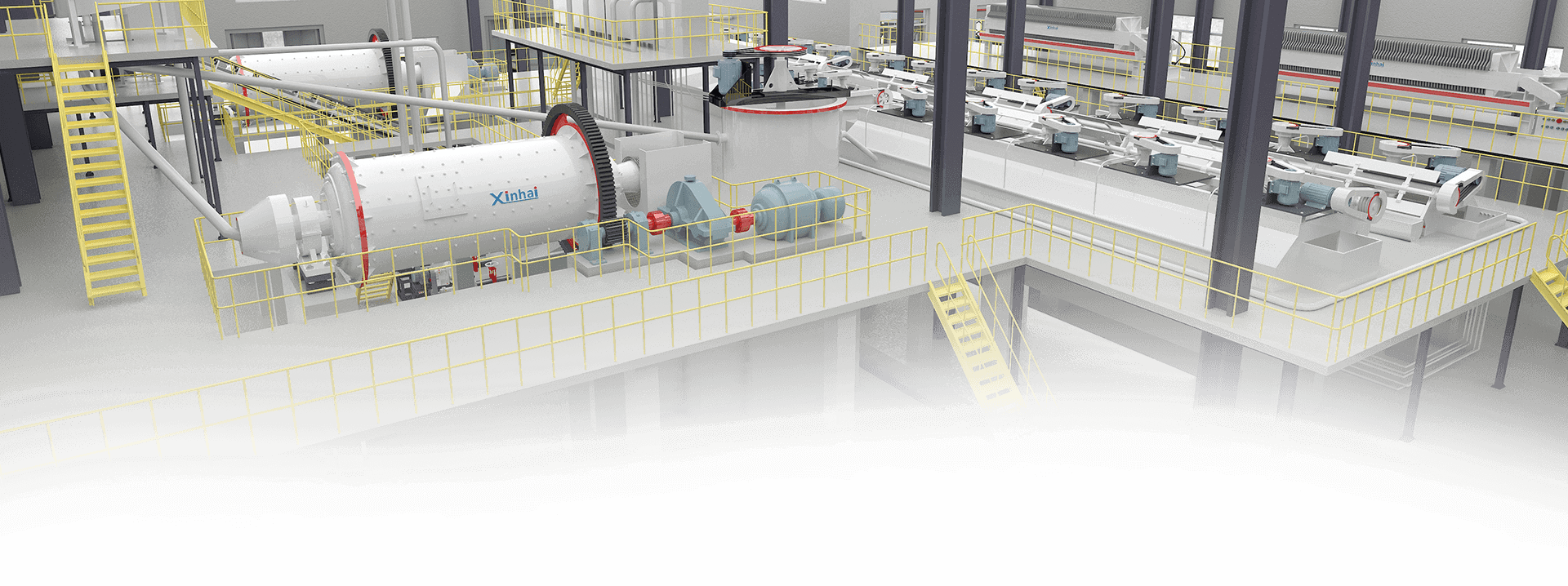
A complete lead zinc processing plant usually includes:
Crushing and screening system
Grinding and classification circuit
Flotation separation system
Concentrate thickening and filtration
Tailings treatment system
Water recycling facilities
The complexity of the process directly affects the overall plant investment. Simple sulfide ores require fewer processing stages, while complex polymetallic ores often demand finer grinding and multiple flotation circuits.
02Typical Lead Zinc Beneficiation Plant Cost Range
BackThe investment required for a lead zinc beneficiation plant depends largely on processing capacity and project scale.
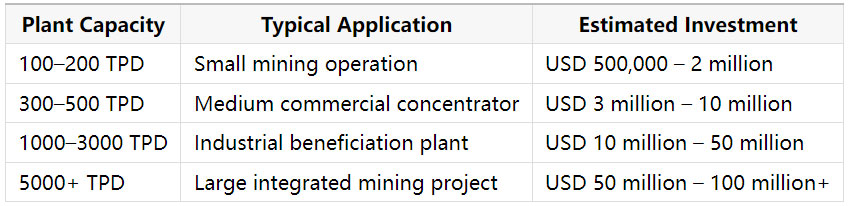
Note: These figures are indicative estimates and may exclude land acquisition, mining costs, taxes, permitting, and regional infrastructure investment.
Larger plants generally achieve lower operating costs per ton because of economies of scale, but they also require higher upfront capital expenditure.
03Operating Costs of a Lead Zinc Processing Plant
BackIn addition to initial investment, operating expenses are critical for evaluating project profitability.
1. Electricity Consumption
Grinding circuits consume the highest proportion of electrical energy. Factors affecting power consumption include: Ore hardness; Grinding fineness; Plant throughput; Equipment efficiency. Energy-efficient equipment can reduce operating costs substantially over the life of the project.
2. Reagent Consumption
Lead zinc flotation requires various chemical reagents, including: Collectors; Frothers; Activators; Depressants; pH modifiers. Complex ores generally require more reagent types and higher dosage.
3. Maintenance and Wear Parts
Mining equipment operates under severe conditions and requires continuous maintenance. High-wear components include: Mill liners; Grinding media; Pump impellers; Cyclone liners; Flotation rotors and stators. Mining industry discussions often point out that crushing and grinding equipment can become expensive to maintain due to constant wear and downtime risks.
4. Labor Costs
Labor expenses vary widely depending on project location and automation level. A highly automated plant may reduce workforce requirements but increase initial equipment investment.
04Factors That Influence Lead Zinc Plant Cost
BackSeveral project-specific factors can significantly change the total investment.
Ore Characteristics
Ore mineralogy determines the processing difficulty. Important factors include: Sulfide vs oxide ore; Lead-zinc grade; Clay content; Oxidation rate; Fine mineral dissemination; Associated impurities. Complex ores often require more advanced process flowsheets.
Plant Capacity
Larger capacities require: Bigger mills; More flotation cells; Larger tailings systems; Higher infrastructure investment. However, larger plants usually achieve lower unit production costs.
Project Location
Location affects: Transportation cost; Labor availability; Construction cost; Utility supply; Import taxes; Equipment delivery. Remote mining projects often face significantly higher logistics costs.
05How to Reduce Lead Zinc Beneficiation Plant Cost
Back1. Conduct Professional Ore Testing
Metallurgical testing is essential before finalizing plant design. Ore testing helps determine: Optimal grinding size; Suitable flotation reagents; Expected recovery rate; Concentrate grade; Process flowsheet. Accurate testing reduces the risk of underperforming plant design.
2. Optimize the Process Flowsheet
A simplified flowsheet can reduce: Equipment count; Energy consumption; Maintenance workload; Construction cost. The goal is to achieve the best balance between recovery and operating cost.
3. Choose High-Efficiency Equipment
Modern beneficiation equipment may have higher purchase prices but lower long-term operating costs through: Reduced energy consumption; Lower maintenance frequency; Improved recovery efficiency
06Conclusion
BackThe cost of a lead zinc beneficiation plant varies widely depending on ore characteristics, processing capacity, equipment configuration, infrastructure conditions, and environmental requirements.
Small-scale plants may require less than USD 2 million, while large industrial concentrators can exceed USD 100 million. Crushing, grinding, flotation systems, and environmental protection facilities are usually the largest investment components.
Before starting a lead zinc mining project, investors should conduct detailed ore testing, feasibility studies, and professional engineering design to optimize both capital expenditure and long-term operating costs.


RELATED PRODUCTS
-
Underground Loading Equipment
-
Underground Auxiliary Equipment
-
Overflow Type Ball Mill