+8618234403483
 yanzhang19990421@gmail.com



How to Extract Gold from Activated Carbon in CIP/CIL Plants?
 Sheena
 May 24, 2026
 725
725
If you want to know more details about equipment, solutions, etc, please click the button below for free consultation, or leave your requirements!
 Message
 Chat Now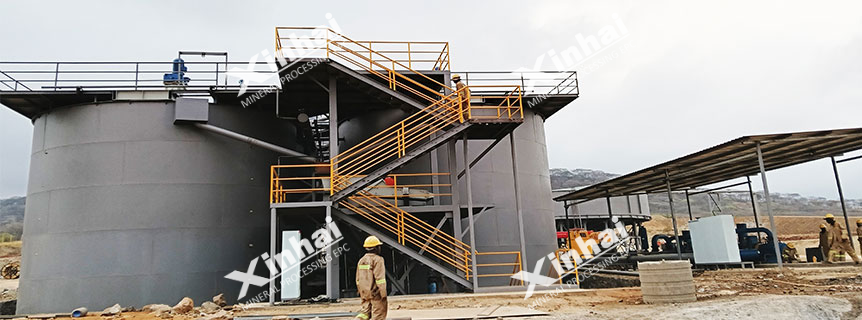
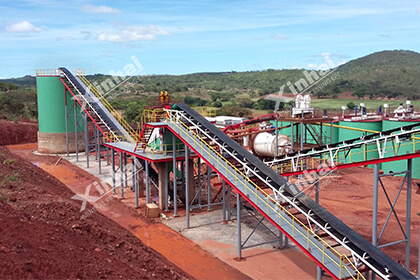
1000tpd-gold-CIP-plants
Activated carbon is one of the most important materials in modern gold processing plants. In CIP (Carbon in Pulp) and CIL (Carbon in Leach) systems, dissolved gold is adsorbed onto activated carbon after cyanide leaching. The gold-loaded carbon is then processed through desorption, electrowinning, and smelting to recover gold bullion. Compared with traditional recovery methods, activated carbon technology offers higher recovery efficiency, lower operating cost, and better adaptability to low-grade gold ores.
01What Is Activated Carbon in Gold Recovery?
BackActivated carbon is a porous adsorption material with a very large surface area. During cyanidation, dissolved gold ions attach to the surface of the carbon particles. The process works in three basic stages: Gold ore is crushed and leached with cyanide; Dissolved gold enters the solution; Activated carbon adsorbs the dissolved gold. Once the carbon reaches a certain loading level, it becomes "loaded carbon" and moves to the gold extraction circuit.
02CIP vs CIL Gold Processing
BackAlthough CIP and CIL are similar, their operating sequences are different.
CIP Process
In the CIP process:
Gold leaching occurs first
Activated carbon is added afterward
Adsorption takes place in separate tanks
The process is flexible and easy to control, making it common in many gold mines.
CIL Process
In the CIL process:
Leaching and adsorption happen simultaneously
Activated carbon is added directly into leaching tanks
Gold adsorption starts immediately during leaching
CIL technology is especially popular in modern high-capacity gold plants.
03Main Steps to Extract Gold from Activated Carbon
Back3.1 Loaded Carbon Separation
After adsorption is completed, the loaded carbon must be separated from the slurry before entering the elution system. This separation is usually carried out using carbon safety screens or interstage screens installed in the adsorption tanks.
Efficient carbon screening is extremely important for plant performance. If carbon particles escape into the slurry, gold losses increase and downstream equipment may become blocked. Fine carbon particles can also reduce adsorption efficiency and raise operating costs.
Once separated, the loaded carbon is transferred to a storage or stripping tank for further treatment. At this stage, the carbon still contains ore particles, clay, and other contaminants that must be removed before gold stripping begins.
3.2 Carbon Washing and Acid Treatment
Before the elution process starts, the loaded carbon is cleaned to improve stripping efficiency. Water washing is first used to remove fine slurry particles and residual ore materials attached to the carbon surface. Proper washing helps reduce equipment scaling and improves heat transfer inside the elution column.
Many gold plants also use acid washing before desorption. Hydrochloric acid is commonly used to dissolve calcium carbonate scale and inorganic deposits that accumulate on the carbon during operation. These deposits can block the pores of activated carbon and reduce stripping efficiency.
3.3 Gold Elution Process
Gold elution is the core step of extracting gold from activated carbon. Typical operating conditions include: Temperature: 90–150°C, Sodium hydroxide (NaOH), Sodium cyanide (NaCN), Pressurized operation. Efficient elution directly affects the final gold recovery rate.
3.4 Electrowinning Gold Recovery
After elution, the gold-rich solution enters the electrowinning system. Electrowinning uses electric current to recover dissolved gold from the solution.
The process includes:
Feeding pregnant solution into electrowinning cells
Applying electrical current
Depositing gold onto cathodes or steel wool
Collecting gold sludge
Electrowinning is widely used because it provides high recovery efficiency and stable operation. The system can also recover silver together with gold, improving the overall economic value of the process. Proper control of voltage, solution chemistry, and circulation rate is important for maintaining efficient metal recovery.
3.5 Carbon Regeneration and Reuse
After gold stripping, the barren carbon still contains organic contaminants and residual impurities that reduce adsorption performance. To restore its activity, the carbon is regenerated in a high-temperature regeneration kiln.
Thermal regeneration removes organic fouling and reopens the pores of the activated carbon. This allows the regenerated carbon to regain its adsorption capacity and return to the CIP or CIL circuit for reuse.
Efficient carbon regeneration is important for controlling operating costs. Poor regeneration can increase carbon consumption, reduce adsorption efficiency, and negatively affect overall gold recovery performance.
04Equipment Used in Gold Carbon Recovery Systems
BackA complete gold extraction system from activated carbon usually includes several types of equipment.
Carbon Handling Equipment: Carbon screens, Carbon pumps and Transfer tanks
Elution Equipment: Elution columns, Heat exchangers, Pressure vessels and Chemical dosing systems
Gold Recovery Equipment: Electrowinning cells, Rectifiers and Smelting furnaces
Carbon Regeneration Equipment: Regeneration kilns, Cooling systems and Carbon storage tanks
05Factors Affecting Gold Extraction Efficiency
BackSeveral operational factors influence the efficiency of gold extraction from activated carbon. Carbon quality is one of the most important variables because high-quality carbon provides stronger adsorption capacity and better mechanical strength.
Elution temperature also has a major impact on stripping performance. Higher temperatures generally improve desorption speed, but excessive temperatures can increase energy consumption and damage equipment. Proper reagent concentration is equally important, since insufficient cyanide or caustic concentration may reduce stripping efficiency.
Carbon fouling is another common issue in gold plants. Organic materials, oils, and fine particles may coat the carbon surface and block adsorption sites. Regular washing and regeneration are necessary to maintain stable plant performance.
06Conclusion
BackExtracting gold from activated carbon in CIP/CIL plants involves several key stages, including carbon separation, acid washing, elution, electrowinning, smelting, and carbon regeneration. Each step plays an important role in achieving high gold recovery and stable plant performance.
With proper equipment selection and process optimization, activated carbon recovery systems can significantly improve gold recovery efficiency while reducing operating costs in modern gold processing plants.


RELATED PRODUCTS
-
Air Lifter
-
Autogenous Mill
-
Auto Centering Vibrating Screen