+8618335758886
 laura@xinhaimining.com



How to Process Iron Ore?
 zeki
zeki
 Feb 25, 2026
 655
655
If you want to know more details about equipment, solutions, etc, please click the button below for free consultation, or leave your requirements!
 Message
 Chat Now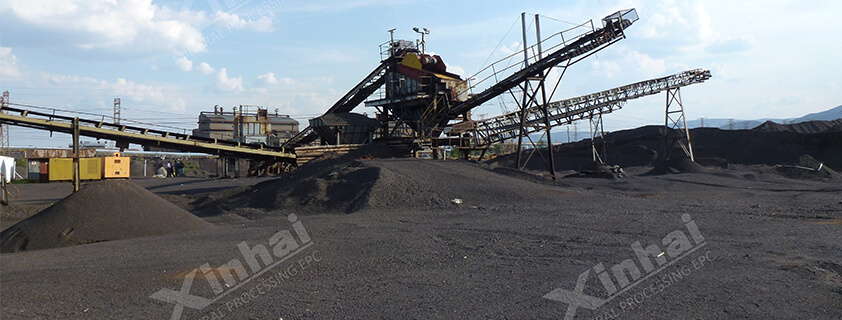
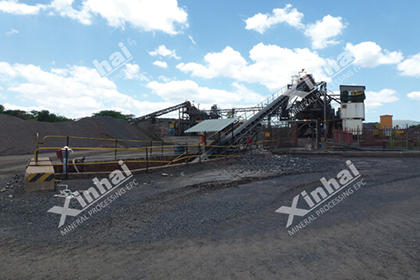
Iron ore processing plant in South Africa
Iron ore is the fundamental raw material for the iron and steel industry and is crucial for economic development. Processing iron ore scientifically and efficiently directly impacts resource utilization rates and production efficiency. This article provides an overview of iron ore processing techniques, key stages, and development directions, offering a reference for related production and applications.
01What is Iron Ore?
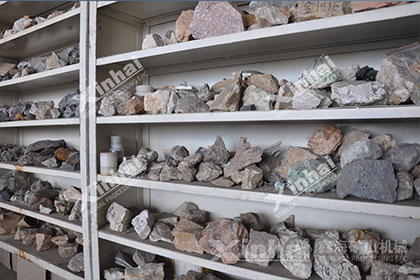
BackIron ore refers to iron-bearing mineral assemblages (rocks/sediments) from which metallic iron can be economically extracted. It is the core raw material for the iron and steel industry. Colloquially, the term may also refer to the mine from which the ore is extracted.
1. Main Types and Composition of Iron Ore
(1)Magnetite (Fe₃O₄)
Strongly magnetic, theoretical iron content of 72.4%, easy to beneficiate.
(2)Hematite (Fe₂O₃)
Cherry-red streak, theoretical iron content of 70%, very widely distributed.
(3)Limonite (mFe₂O₃·nH₂O)
A mixture of hydrous iron oxides, typically with a lower iron grade.
(4)Siderite (FeCO₃)
A carbonate mineral, requires roasting for decarbonization before smelting.
02Main Beneficiation Processes for Iron Ore
Back1. Magnetic Separation
(1)Application
Magnetite (strongly magnetic).
(2)Principle
Utilizes differences in magnetic susceptibility to separate iron minerals from gangue in a magnetic field.
(3)Characteristics
Low cost, simple process, stable performance. It is the primary process in the vast majority of magnetite processing plants.
2. Low-Intensity Magnetic Separation – High-Intensity Magnetic Separation
(1)Application
Mixed ores containing magnetite and hematite/limonite.
(2)Flowsheet
Low-intensity magnetic separation is applied first to recover magnetite, followed by high-intensity magnetic separation to recover weakly magnetic iron minerals.
(3)Characteristics
Strong adaptability; commonly used for processing complex ores.
3. High-Intensity Magnetic Separation
(1)Application
Weakly magnetic iron ores such as hematite, limonite, and siderite.
(2)Principle
Uses high magnetic field strength to capture weakly magnetic iron minerals.
(3)Characteristics
Environmentally friendly and relatively low cost as it does not require large quantities of reagents.
4. Flotation
(1)Application
Hematite, specularite, finely disseminated, and refractory iron ores.
(2)Main Flotation Method
Reverse flotation
(3)Characteristics
Capable of producing high-grade iron concentrate, making it the mainstream process for producing premium fine concentrates.
03Equipment Required for Iron Ore Beneficiation
Back1. Crushing and Screening
Jaw Crusher
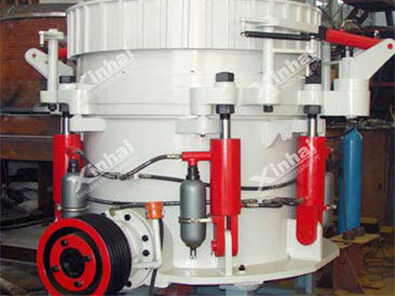
Cone Crusher
Vibrating Screen
2. Grinding and Classification
Ball Mill
Rod Mill
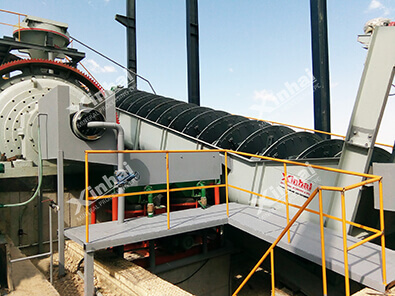
Spiral Classifier
Hydrocyclone
3. Separation Equipment
Low-Intensity Magnetic Separator
High-Intensity Magnetic Separator
Flotation Machine
Magnetic Separation Column / Cleaning Magnetic Separator
4. Dewatering Equipment
Thickener
Disk Vacuum Filter/ Ceramic Vacuum Filter
Filter Press
5. Auxiliary Equipment
Belt Feeder
Feeder
Agitation Tank
04Conclusion
BackThe processing of iron ore primarily involves a series of stages including crushing, screening, and grinding the raw ore. These processes reduce large run-of-mine rocks to a particle size suitable for subsequent smelting, providing qualified feedstock for the iron and steel industry. The future direction of development lies in automation, enhanced energy efficiency, and environmentally friendly practices to further improve production efficiency and resource utilization levels.


RELATED PRODUCTS
-
Jig
-
Submerged Spiral Classifier
-
Hydraulic Cone Crusher