+8618234403483
 yanzhang19990421@gmail.com



Iron Ore Processing Plant Design: Process Flow Explained
 Laura
Laura
 Feb 19, 2026
 731
731
If you want to know more details about equipment, solutions, etc, please click the button below for free consultation, or leave your requirements!
 Message
 Chat Now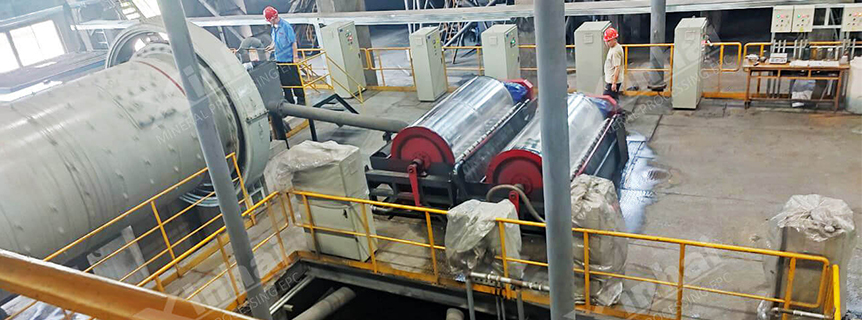
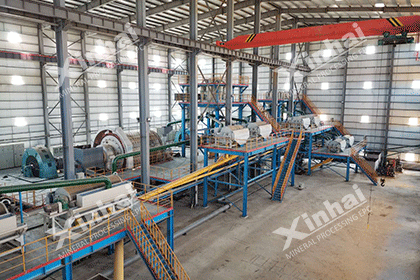
Iron ore magnetic separation equipment and ball mills
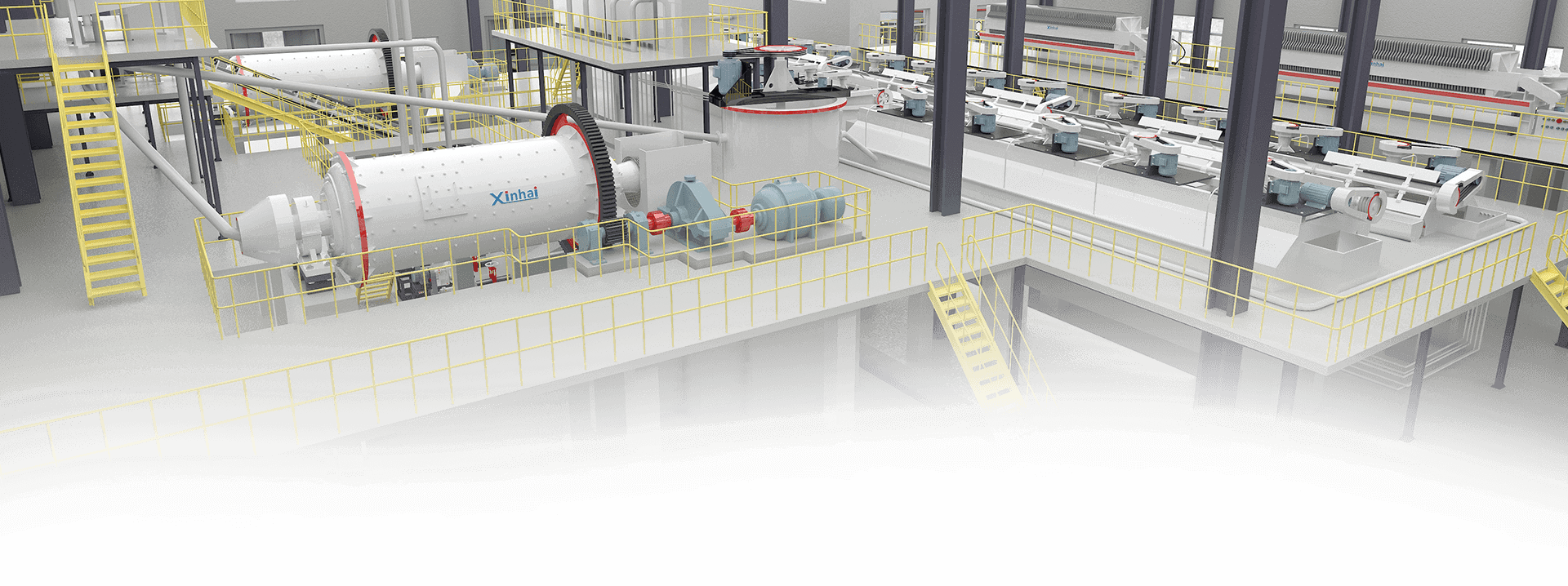
Designing an efficient iron ore processing plant is essential for achieving high recovery rates, consistent product quality, and cost-effective operations. A well-planned plant design integrates the right equipment, optimized process flow, and modern technologies to handle varying ore characteristics.
This article explains iron ore processing plant design, focusing on process flow, key design considerations, and the role of each processing stage.
01What Is Iron Ore Processing Plant Design?
BackIron ore processing plant design refers to the planning and layout of equipment, systems, and workflows required to convert raw iron ore into usable concentrate or pellets. The design process ensures that material flows smoothly from one stage to another with minimal losses and maximum efficiency.
An effective design balances throughput, energy consumption, water usage, and environmental compliance.
02Importance of Process Flow in Plant Design
BackThe process flow defines the sequence of operations—from ore reception to final product handling. A well-defined process flow:
Improves operational efficiency
Reduces bottlenecks and downtime
Lowers capital and operating costs
Enhances safety and maintenance access
03Key Stages in Iron Ore Processing Plant Process Flow
Back1. Ore Receiving and Preparation
Raw iron ore is delivered to the plant via haul trucks or conveyors. Feeders and hoppers regulate ore flow to ensure consistent feed rates for downstream processes.
2. Crushing and Screening
Crushing reduces large ore blocks into smaller sizes suitable for grinding. Multi-stage crushing circuits typically include:
Primary crushing (jaw or gyratory crushers)
Secondary and tertiary crushing (cone crushers)
Screening separates material by size and recirculates oversized ore for further crushing.
3. Grinding and Classification
Grinding mills reduce crushed ore into fine particles to liberate iron minerals. Common equipment includes:
Ball mills
SAG mills
Rod mills
Classification systems such as hydrocyclones ensure optimal particle size distribution.
4. Beneficiation and Separation
Beneficiation removes impurities and increases iron content using:
Magnetic separation
Gravity separation
Flotation (for complex or low-grade ores)
This stage is central to achieving target concentrate grades.
5. Dewatering and Tailings Management
Thickeners and filters remove excess water from the iron ore concentrate. Proper tailings management systems are designed to ensure environmental compliance and water recovery.
Pelletizing or Product Handling
Depending on the end use, concentrate may be pelletized or directly shipped. Pelletizing plants form uniform pellets that improve steelmaking efficiency.
04Equipment Selection in Plant Design
BackChoosing the right equipment is critical. Factors influencing equipment selection include:
Ore hardness and mineralogy
Desired throughput
Product size requirements
Energy efficiency
Maintenance and operational costs
Proper equipment sizing ensures smooth process flow and long-term reliability.
05Layout and Plant Configuration
BackPlant layout impacts efficiency and safety. Good design principles include:
Short material transport distances
Logical equipment sequencing
Adequate space for maintenance
Safe access routes for operators
Compact and modular designs are increasingly used to reduce construction time and costs.
06Energy and Water Considerations
BackIron ore processing plants consume significant energy and water. Modern designs incorporate:
Energy-efficient grinding technologies
Water recycling and reuse systems
Automation and real-time monitoring
These features help reduce operating costs and environmental impact.
07Automation and Control Systems
BackAdvanced control systems improve plant performance by:
Maintaining stable process conditions
Reducing human error
Optimizing throughput and recovery
Digitalization plays a growing role in modern plant design.
08Conclusion
BackIron ore processing plant design is a complex but critical task that directly affects productivity, cost, and sustainability. By carefully planning the process flow—from crushing and grinding to beneficiation and product handling—operators can achieve efficient and reliable plant performance.
A well-designed iron ore processing plant not only maximizes iron recovery but also ensures long-term operational success in a competitive mining industry.


RELATED POSTS
-
 Sheena
Jul 09, 2026
Sheena
Jul 09, 2026
How to Build a Chromite Processing Plant: Process, Equipment, and Cost Guide
read more -
 zeki
Jun 30, 2026
zeki
Jun 30, 2026
Beginner’s Guide to Iron Ore Concentrator Construction
read more -
zeki
May 21, 2026
Full Process Analysis of Iron Ore Beneficiation & Processing: From Run-of-Mine Ore to High-Grade Iron Concentrate
read more