+8618234403483
 yanzhang19990421@gmail.com



How to Choose the Right Flotation Cell for Your Mineral Processing Plant
 Sheena
 Jun 15, 2026
 415
415
If you want to know more details about equipment, solutions, etc, please click the button below for free consultation, or leave your requirements!
 Message
 Chat Now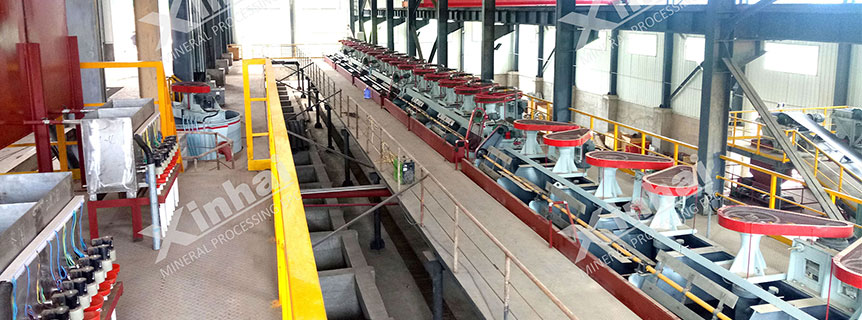
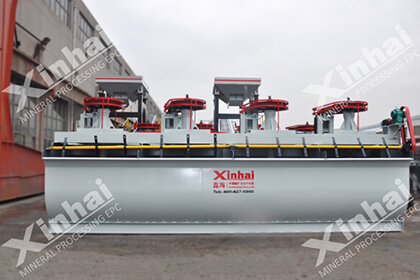
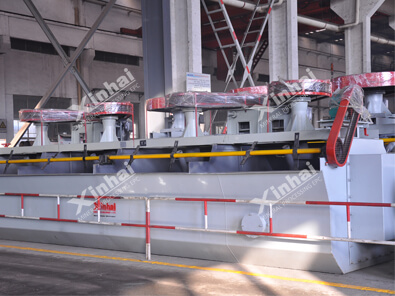
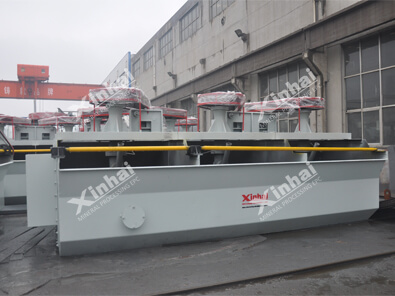
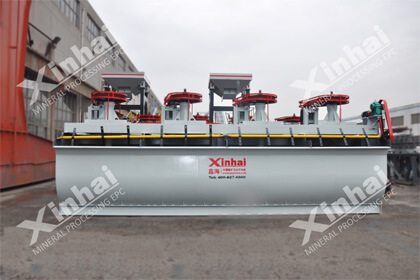
Flotation-equipment-at-the-500-tpd-gold-copper-mine-site-in-Laos
Flotation is one of the most important beneficiation methods used in the mining industry. It is widely applied in the recovery of gold, copper, lead-zinc, nickel, graphite, phosphate, lithium, and many other valuable minerals. While flotation reagents and process design are critical to plant performance, the flotation cell itself plays an equally important role in determining recovery, concentrate grade, operating costs, and overall profitability.
Many mining projects focus heavily on flowsheet design but overlook flotation equipment selection. Choosing the wrong flotation cell can result in poor recovery, excessive power consumption, unstable operation, and higher maintenance costs. Therefore, understanding the different types of flotation cells and selecting the most suitable equipment is essential for maximizing the economic performance of a mineral processing plant.
01What Are the Main Types of Flotation Cells?
BackSeveral types of flotation cells are commonly used in mineral processing plants. Each design offers unique advantages depending on the ore characteristics and processing objectives.
1.1 Mechanical Flotation Cells
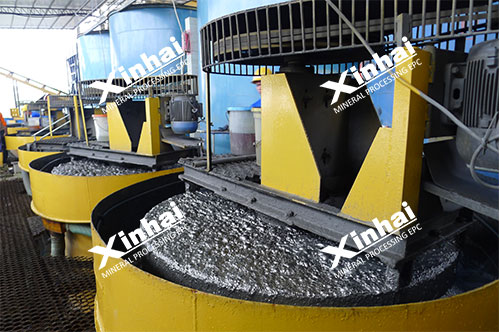
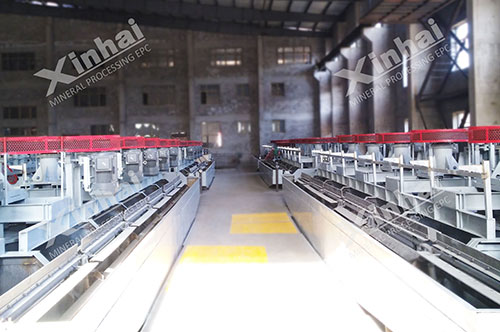
Mechanical flotation cells are the most widely used flotation machines in the mining industry. They utilize an impeller and stator system to agitate the slurry and disperse air throughout the flotation tank. Because of their strong mixing capability and reliable performance, mechanical cells are suitable for a wide range of mineral beneficiation applications.
They are commonly used for:
Gold flotation
Copper flotation
Lead-zinc flotation
Nickel flotation
Polymetallic sulfide ores
Mechanical flotation cells are often preferred for rougher flotation circuits where maximum recovery is the primary objective.
1.2 Forced-Air Flotation Cells
Forced-air flotation cells introduce air through an external blower rather than relying entirely on the impeller for aeration. This design provides better control over air distribution and bubble generation, making the flotation process more stable in large-scale operations.
These cells are commonly selected for:
Large copper concentrators
Iron ore flotation plants
Phosphate beneficiation plants
High-capacity processing operations
For mines processing large volumes of ore, forced-air flotation cells often provide better operational efficiency.
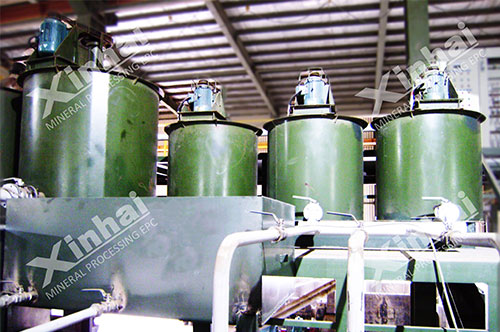
1.3 Column Flotation Cells
Column flotation cells use a tall vertical structure instead of a conventional tank. Air is introduced from the bottom while wash water is applied near the top to improve separation selectivity. Compared with mechanical cells, column flotation generally produces a higher-grade concentrate.
Typical applications include:
Phosphate beneficiation
Graphite flotation
Iron ore flotation
Molybdenum flotation
Cleaning stages of flotation circuits
Column flotation is often selected when concentrate quality is more important than maximizing recovery.
1.4 Pneumatic Flotation Cells
Pneumatic flotation cells operate without mechanical agitation. Air and slurry are mixed under pressure before entering the flotation chamber. The absence of moving parts reduces energy consumption and maintenance requirements.
These cells are typically used for:
Fine particle flotation
Coal processing
Industrial minerals
Tailings reprocessing projects
Where energy efficiency is a major concern, pneumatic flotation can provide significant operating cost savings.
02How Do Ore Characteristics Affect Flotation Cell Selection?
BackOre properties should always be the first consideration when selecting flotation equipment.
2.1 Mineral Composition
Different minerals respond differently to flotation conditions. Sulfide ores generally perform well in conventional mechanical flotation cells, while industrial minerals may benefit from column flotation technology. Understanding mineral associations and liberation characteristics is essential before choosing equipment.
2.2 Particle Size Distribution
Coarse particles and fine particles often require different flotation conditions. For coarse particle recovery, mechanical flotation cells typically provide better suspension and particle-bubble contact. For ultrafine particles, column or pneumatic flotation technologies may deliver superior performance.
2.3 Ore Grade
Low-grade ores often require larger flotation capacity and longer retention times to achieve acceptable recoveries. High-grade ores may prioritize concentrate quality and selective separation instead of throughput. A detailed metallurgical test program is usually the most reliable way to determine the optimal flotation technology for a specific ore body.
03How Does Plant Capacity Influence Equipment Selection?
BackProcessing capacity has a direct impact on flotation cell design and configuration.
3.1 Small and Medium-Sized Plants
For plants processing relatively modest tonnages, conventional mechanical flotation cells often provide the best balance between performance and investment cost. Their simple structure and ease of maintenance make them attractive for smaller operations.
3.2 Large-Scale Beneficiation Plants
Large mining operations require flotation systems capable of handling high throughput while maintaining stable recovery rates.
In these cases, operators often choose:
Large-capacity mechanical flotation cells
Forced-air flotation cells
Combined flotation circuits
These solutions reduce the number of flotation units required and lower overall operating costs.
04How to Balance Recovery, Grade, and Operating Costs
BackThe best flotation cell is not necessarily the one that produces the highest recovery. Equipment selection should consider the overall economics of the project. When evaluating flotation technologies, operators should compare: Expected recovery rate; Concentrate grade; Energy consumption; Reagent consumption; Maintenance requirements; Equipment investment costs. In some cases, a flotation cell with slightly lower recovery may generate higher profits because of lower operating expenses and better concentrate quality. The goal should always be to maximize project profitability rather than focusing on a single technical indicator.
05Which Flotation Cell is Best for Your Plant?
BackThere is no universal flotation cell suitable for every mineral processing plant. Mechanical flotation cells remain the most versatile option for a wide range of ores. Forced-air flotation cells are ideal for large-capacity operations, while column flotation cells excel in producing high-grade concentrates. Pneumatic flotation technology can offer significant advantages for fine particles and energy-sensitive projects. The best flotation cell depends on ore characteristics, plant capacity, concentrate requirements, and economic objectives. Laboratory testing, pilot-scale verification, and professional process design are essential for making the right decision.
06Conclusion
BackChoosing the right flotation cell is one of the most important decisions in the design of a mineral processing plant. By carefully evaluating ore properties, plant capacity, recovery targets, concentrate quality requirements, and operating costs, mining companies can select flotation equipment that maximizes both technical performance and project profitability.


RELATED PRODUCTS
-
BF Flotation Cell
-
JJF Flotation Cell
-
SF Flotation Cell
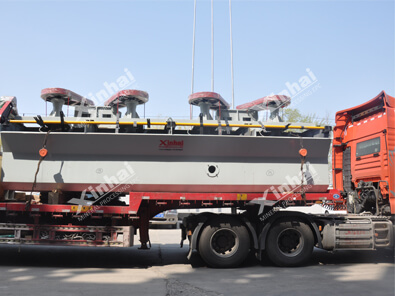
 .jpg "Flotation Tank in Factory")