+8618335758886
 laura@xinhaimining.com



How is Magnesite Mined? Mining Methods, Process, and Equipment Guide
 Sheena
 Jul 16, 2026
 353
353
If you want to know more details about equipment, solutions, etc, please click the button below for free consultation, or leave your requirements!
 Message
 Chat Now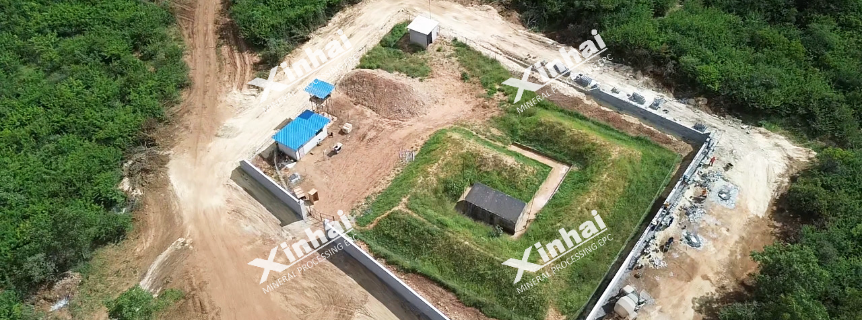
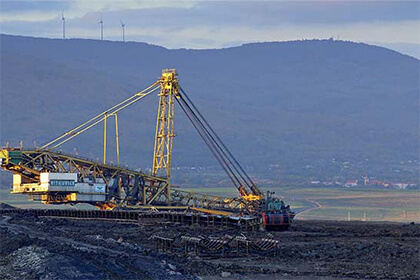
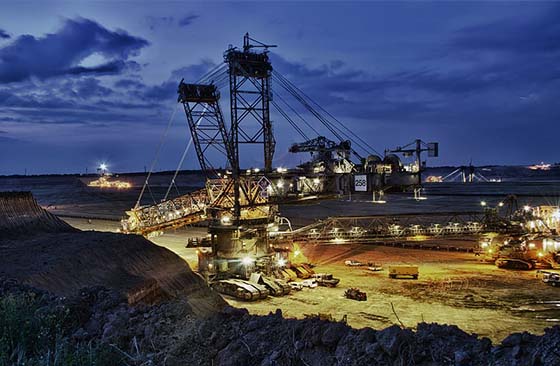
Magnesite mining site
Magnesite is the primary source of magnesium and an essential raw material for refractory materials, magnesium chemicals, environmental protection products, and magnesium metal production. As demand for high-quality magnesite continues to grow, mining companies are increasingly focused on improving mining efficiency while reducing production costs. Selecting the appropriate mining method and equipment is critical for maximizing resource recovery and ensuring long-term project profitability.
This guide explains how magnesite is mined, compares the advantages of open-pit and underground mining, introduces commonly used mining equipment, and discusses how beneficiation can further improve ore quality.
01How Is Magnesite Mined?
BackMagnesite is mined using either open-pit mining or underground mining, depending on the depth, size, and geological characteristics of the deposit. Before mining begins, geological exploration is carried out to determine ore reserves, deposit geometry, and ore quality. Based on this information, engineers develop a mining plan that balances production efficiency, operating costs, and environmental considerations.
The typical magnesite mining process includes:
Geological exploration and resource evaluation: Identify the size, grade, and distribution of the magnesite deposit to evaluate its economic potential and support mine planning.
Mine planning and development: Design the mining layout, production sequence, and infrastructure to ensure safe, efficient, and cost-effective ore extraction.
Drilling and blasting: Break hard magnesite ore into manageable sizes for efficient excavation, loading, and transportation.
Ore extraction and loading: Excavate the blasted ore and load it onto haulage equipment while minimizing ore loss and dilution.
Hauling and transportation: Transport the extracted ore from the mining area to the crushing plant or stockpile for further processing.
Primary crushing: Reduce the run-of-mine ore to a suitable size for beneficiation and improve the efficiency of downstream processing.
Beneficiation or stockpiling: Upgrade the ore through beneficiation or temporarily store it to ensure a stable feed supply for the processing plant.
02Open-Pit vs Underground Mining
BackThe most suitable mining method depends on the location and depth of the magnesite deposit.
2.1 Open-Pit Mining
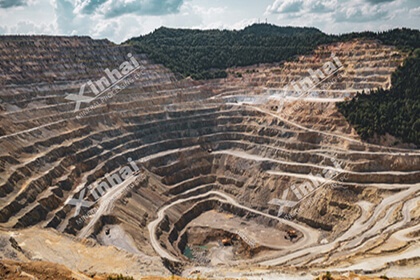
Open-pit mining is the most common method for extracting magnesite from shallow deposits. It involves removing overburden to expose the ore body before drilling, blasting, and excavating the ore.
Open-pit mining offers several advantages: Lower mining costs; Higher production capacity; Easier equipment operation; Improved safety conditions; Greater flexibility for mine expansion. Because of its lower operating cost, open-pit mining is generally preferred whenever the ore body is located close to the surface.
2.2 Underground Mining
When magnesite deposits occur at greater depths, underground mining becomes the preferred option. This method minimizes surface disturbance while allowing access to deeper ore bodies through shafts, declines, or tunnels.
Underground mining is often selected because it: Reduces surface land disturbance; Makes deep deposits economically recoverable; Improves resource utilization; Extends mine life. However, underground operations usually require higher capital investment, more complex ventilation systems, and greater operating costs than open-pit mines.
03Magnesite Mining Equipment
BackEfficient mining depends on selecting equipment that matches the mine's production capacity and geological conditions.
The equipment used in a typical magnesite mining operation may include:
3.1 Drilling and Blasting Equipment
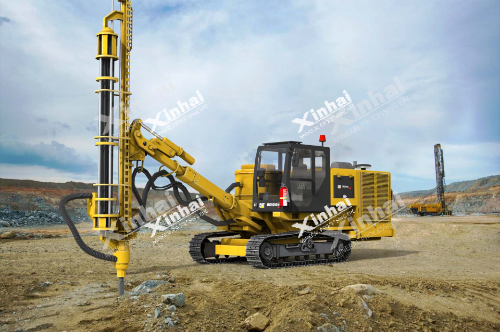
Drilling rigs prepare blast holes that fragment the ore and surrounding rock, making excavation more efficient and reducing downstream crushing costs.
3.2 Loading and Hauling Equipment
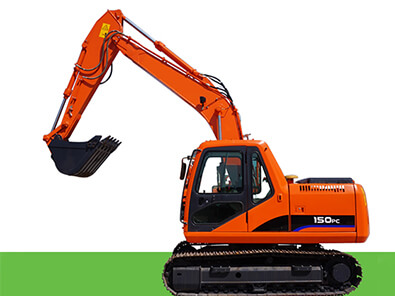
After blasting, excavators and wheel loaders load the ore into haul trucks for transportation to the crushing plant or stockpile. These machines determine the overall productivity of the mining operation and should be selected according to haul distance and production targets.
3.3 Crushing Equipment
Primary crushers reduce the run-of-mine ore to a suitable size for transportation and beneficiation. Jaw crushers are commonly used during this stage because of their ability to handle large feed sizes and hard rock.
3.4 Auxiliary Equipment
Additional equipment may include: Bulldozers for site preparation; Water trucks for dust suppression; Conveyors for material handling; Mobile screening equipment; Mine monitoring and dispatch systems. Modern mining operations increasingly adopt intelligent equipment and digital management systems to improve productivity and operational safety.
04What Happens After Mining? --Beneficiation
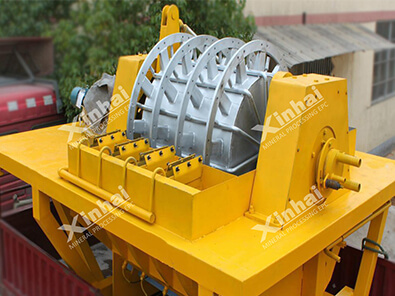
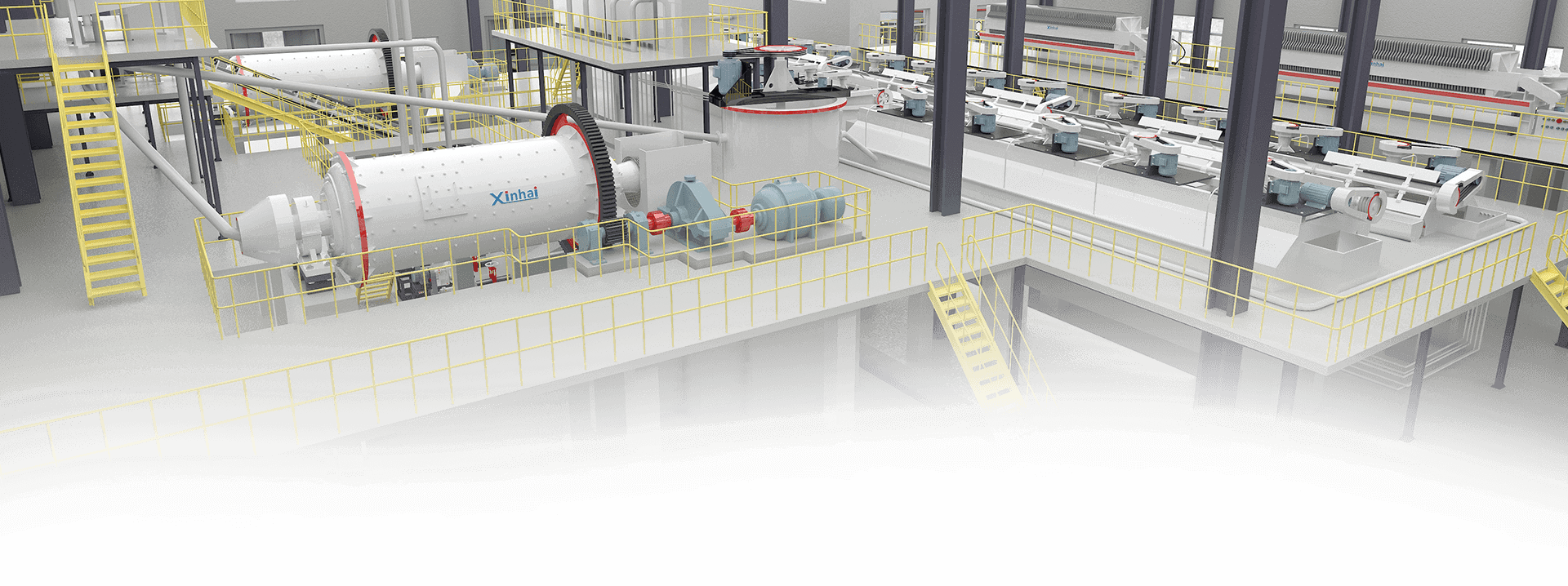
BackMining is only the first stage in producing high-quality magnesite products. After extraction, the ore is transported to a beneficiation plant where impurities are removed and the MgO grade is improved. Depending on the mineral composition, the beneficiation process may include crushing, grinding, screening, washing, magnetic separation, flotation, and dewatering.
The purpose of beneficiation is to:
Increase magnesite grade: Beneficiation concentrates valuable magnesite minerals by removing low-grade material, resulting in a higher MgO content that meets market specifications and increases the value of the final product.
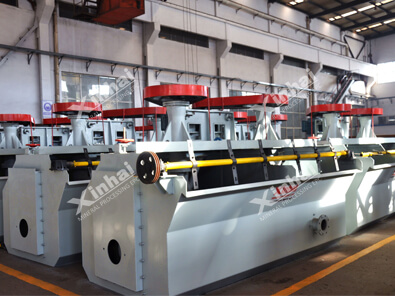
Remove silica, calcium, and iron impurities: Processing techniques such as flotation, magnetic separation, and ore washing help eliminate impurities that can reduce product quality and negatively affect downstream applications like refractory production.
Improve product quality: Producing a cleaner and more consistent concentrate enhances product performance, making it suitable for high-value industries such as steelmaking, chemicals, and refractory materials.
Increase resource utilization: Beneficiation enables the recovery of valuable magnesite from lower-grade ores and fine particles, maximizing resource utilization while reducing mineral losses in tailings.
Meet downstream processing requirements: Upgrading the ore before calcination or further processing ensures a stable feed quality, improves production efficiency, and helps manufacturers achieve consistent product specifications.
05Conclusion
BackSuccessful magnesite mining requires more than extracting ore from the ground. Choosing the appropriate mining method, investing in efficient equipment, and integrating beneficiation into the production process are all essential for maximizing resource recovery and project profitability. As ore quality becomes more variable and environmental standards continue to rise, mining companies that adopt efficient, integrated mining and processing strategies will be better positioned to achieve sustainable long-term growth.


RELATED PRODUCTS
-
Excavating Equipment
-
Rotary Disc Vacuum Filter
-
XJB Bar Flotation Cell